Making HEADway
Teaching STEM in Southeast Asia
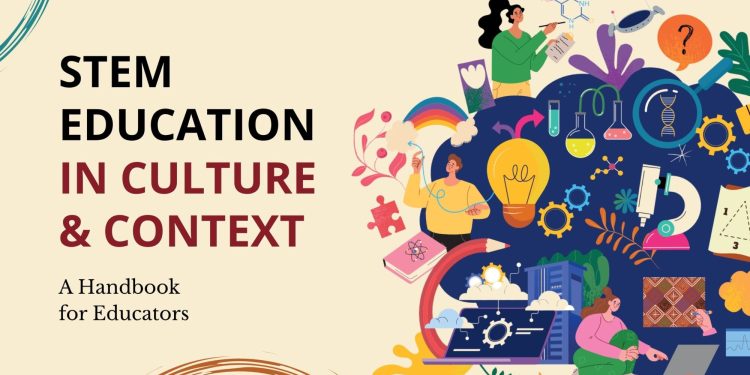
Despite STEM education being an integral part in developing future-ready students, it is currently still in its infancy in many Southeast Asian classrooms. For students to thrive in this rapidly changing world, STEM education needs to be integrated into their learning experience.

In this three-part webinar series, held from 10 to 24 March 2022, educators from Southeast Asia shared:
- how to introduce bite-sized STEM lessons in their classrooms,
- how they can transform STEM pedagogy and leadership practices in their schools, and
- how schools can establish and leverage networks within the community and with industries to strengthen STEM teaching practices.
Part 1 | Applying STEM Pedagogies
The discussion was prefaced with three key questions on teaching STEM in schools: 1. Why are we interested in STEM pedagogies? 2. Why and how do we integrate STEM into the various disciplines and curriculum? And 3. What are the aims of a STEM education in the 21st century? Our speakers then touched on the nature of STEM education as an interdisciplinary topic that focuses not just on technical content, but on 21st century skills and its relevance to real-world issues. Watch full webinar.
Part 2 | Developing and Supporting STEM Teachers
The session kept four concepts in mind throughout the discussion when considering STEM teacher capacity building: Adaptation, Constraints and Affordances, Support, and Professional Development. Each working in a different country context, our speakers all touched on different teacher development programmes and perspectives they use to introduce STEM education into the classroom. Watch full webinar.
Part 3 | Creating a STEM Ecosystem
This final session seeked to address five key questions about forging partnerships in STEM education: What makes a robust ecosystem that fosters STEM education? How are partnerships forged and sustained with schools and other stakeholders? What partnership models will result in mutual benefits for all stakeholders? What are the ways we can evaluate the benefit of STEM programmes? And, can STEM education be used as a space to address issues of environmental and social justice? Watch full webinar.
Making HEADway
Teaching STEM in Southeast Asia
Despite STEM education being an integral part in developing future-ready students, it is currently still in its infancy in many Southeast Asian classrooms. For students to thrive in this rapidly changing world, STEM education needs to be integrated into their learning experience.
PART 1 | Applying STEM Pedagogies
PART 2 | Developing and Supporting STEM Teachers
PART 3 | Creating a STEM Ecosystem
Handbook for Educators
In this three-part webinar series, held from 10 to 24 March 2022, educators from Southeast Asia shared:
- how to introduce bite-sized STEM lessons in their classrooms,
- how they can transform STEM pedagogy and leadership practices in their schools, and
- how schools can establish and leverage networks within the community and with industries to strengthen STEM teaching practices.
Part 1 | Applying STEM Pedagogies
The discussion was prefaced with three key questions on teaching STEM in schools: 1. Why are we interested in STEM pedagogies? 2. Why and how do we integrate STEM into the various disciplines and curriculum? And 3. What are the aims of a STEM education in the 21st century? Our speakers then touched on the nature of STEM education as an interdisciplinary topic that focuses not just on technical content, but on 21st century skills and its relevance to real-world issues. Watch full webinar.
Part 2 | Developing and Supporting STEM Teachers
The session kept four concepts in mind throughout the discussion when considering STEM teacher capacity building: Adaptation, Constraints and Affordances, Support, and Professional Development. Each working in a different country context, our speakers all touched on different teacher development programmes and perspectives they use to introduce STEM education into the classroom. Watch full webinar.
Part 3 | Creating a STEM Ecosystem
This final session seeked to address five key questions about forging partnerships in STEM education: What makes a robust ecosystem that fosters STEM education? How are partnerships forged and sustained with schools and other stakeholders? What partnership models will result in mutual benefits for all stakeholders? What are the ways we can evaluate the benefit of STEM programmes? And, can STEM education be used as a space to address issues of environmental and social justice? Watch full webinar.